How to Pick the Best ATM Location in Iowa: 4 Questions That Prevent Costly Mistakes
- December 24, 2025
- admin
- 2:10 pm
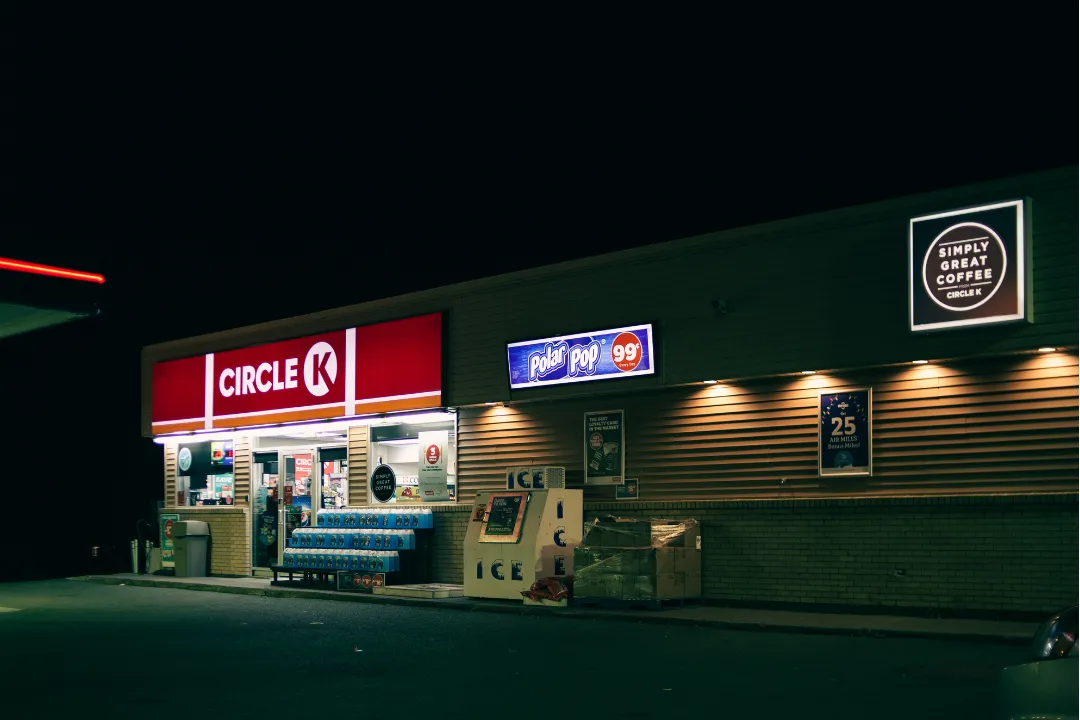
Choosing an ATM location isn’t about “finding any corner with space”—it’s about placing the machine where it will actually be used consistently. In Iowa, ATM demand changes by business type and customer behavior: some locations see steady cash withdrawals (convenience retail, bars, restaurants, venues), while others look busy but don’t generate the right kind of transactions. A good placement decision protects you from the most common failure: installing an ATM in a spot that feels logical to the owner but is invisible or inconvenient to customers. These four questions help Iowa business owners and operators evaluate traffic, buyer intent, visibility, and support needs—so your ATM becomes a reliable convenience tool, not an underused machine.
Question 1: Does This Iowa Location Have “Transaction Traffic,” Not Just People?
Foot traffic alone isn’t enough—what you want is transaction traffic. That means people who are already in a spending mindset and likely to need cash in the next few minutes. In Iowa, this often shows up in places where customers make quick purchases, pay tips, split payments, or buy small-ticket items repeatedly. A convenience store near commuter routes may outperform a larger retail space if the convenience store’s customers are constantly buying and leaving. Likewise, a bar or restaurant with steady evening crowds can generate consistent ATM usage because customers often need cash for tips, cover charges, or cash-preferred purchases.
To evaluate transaction traffic, look beyond how “busy” the location feels. Ask: Do customers typically come here to buy, or to browse? Do they need cash as part of the experience? Are they on a schedule (quick stop), or are they just passing time? For Iowa operators, the best ATM locations are usually the ones where customers frequently make immediate purchase decisions—especially during peak hours.
Question 2: What Kind of Cash Need Does Your Customer Base Have?
ATM usage increases when the location serves customers who regularly run into cash moments. In Iowa, those moments often happen in cash-friendly environments: small purchases at convenience stores, tip-heavy service businesses, local nightlife, events, and venues where quick spending is part of the experience. The key is matching the ATM to the customer’s reality. If your typical customer pays with card for everything and rarely needs cash, your ATM will struggle—even if the business is busy.
A simple way to gauge cash need is to review what customers already ask for. Do they ask, “Do you have an ATM?” Do they request cashback? Do they tip in cash? Do vendors nearby accept card reliably? If your business benefits from cash-driven spending (food booths, local markets, bar tabs, tipping, cover charges, small-ticket retail), the ATM becomes a convenience upgrade. If not, you may be better served positioning the ATM to capture nearby cash demand—like placing it where customers naturally pause before purchasing.
Question 3: Is Your ATM Easy to See, Easy to Use, and Easy to Reach?
Even a great location can fail if the ATM placement is hidden, inconvenient, or awkward to access. Visibility is one of the biggest drivers of usage. In Iowa businesses, the best-performing placement is usually where customers can spot the ATM within seconds of entering—without needing to ask staff. If customers have to walk through tight aisles, stand in a cramped corner, or feel like they’re blocking traffic, they’ll skip it and find another ATM later.
Think like a customer: Where would you look first? Placement near the entrance, near the front counter (without causing congestion), or along a natural walking path typically performs better than a back corner. Also consider practical details: lighting, privacy, and whether the ATM feels safe and comfortable to use. These factors directly impact repeat usage—because if someone has a bad experience once, they stop using the machine and tell others it’s inconvenient.
Question 4: What’s Nearby—Banks, Competitors, Events, and Customer Patterns?
ATM success depends on local context. If there’s a bank ATM next door, customers may default to that option—unless your ATM is more convenient, closer, or located where they already spend time. On the other hand, if your business is in an area where customers frequently need cash quickly (late-night areas, event corridors, local shopping strips), an on-site ATM can become the easiest solution even if alternatives exist.
In Iowa, customer patterns can shift by season and by neighborhood. A location that’s “average” during weekdays might become excellent on weekends, game days, market days, or during community events. That’s why it helps to map your peak moments: when do customers line up, when do tips happen, when do vendors sell the most, and when do card systems slow down? If your business benefits from spikes—sports weekends, festivals, fairs, vendor markets—an ATM can be a strategic placement tool that supports both customer experience and local demand.
Turn the Right Location Into a Real Plan: Buy, Lease, Rent, or Qualify for Placement
Once you’ve identified a strong Iowa location, the next step is choosing the right ATM path. If your traffic is stable year-round and you want long-term control, buying may make the most sense. If you want a lower upfront commitment or you’re still validating usage, leasing can be a practical option. If your demand comes in bursts—fairs, tournaments, festivals, vendor events—event ATM rental can cover peak needs without permanent installation.
If you’re exploring free ATM placement, keep it realistic: placement typically depends on qualification factors like consistent foot traffic, operating hours, safe placement space, and expected transaction activity. If a location doesn’t qualify, that doesn’t mean you can’t succeed—it means the better fit is often lease or purchase, where you control the timeline and outcome. The best Iowa ATM results come from pairing the right location with the right service stack: processing, support, repairs, and a plan that keeps the machine reliable.