Buy, Lease or Rent ATMs in Iowa | atmiowa.com

Categories
Blogs

How ATMs Spark Impulse Buying for Iowa Small Businesses

How an On-Site ATM Encourages Impulse Buying in Iowa Small Businesses

Impulse buying isn’t just a “retail trick”—it’s often the result of convenience. When customers have cash in hand, they make decisions faster, buy small add-ons more easily, and are less likely to delay purchases. In Iowa small businesses—especially convenience stores, gas stations, bars, restaurants, local shops, and event-driven venues—cash still plays a role in tips, quick purchases, entry fees, and cash-preferred services. If customers have to leave your location to find cash, many don’t return, and that’s where impulse sales disappear. An on-site ATM reduces that friction by letting customers withdraw cash instantly, which helps keep spending inside your business and supports the kinds of “quick yes” purchases that add up over time.

1) Cash Removes the Biggest Barrier: “I Don’t Have Enough Right Now”

Impulse purchases usually die for one reason: the customer feels limited—limited cash, limited time, or limited patience. When someone is short a few dollars, they often skip the add-on item, lower their order size, or postpone the purchase entirely. In Iowa small businesses, this happens constantly: a customer wants to grab snacks, add a drink, tip a server, buy an extra item at checkout, or pay for something small that “isn’t worth a card swipe.” If there’s no cash option available, the customer defaults to spending less.

An on-site ATM changes that moment. Instead of leaving or cutting their purchase, the customer withdraws cash and completes the sale immediately. This effect is strongest in environments where purchases are frequent and fast: convenience stores near commuter routes, gas stations on busy corridors, restaurants where tips are common, and local venues where small-ticket items sell quickly. The ATM doesn’t “force” people to buy—it simply removes the limitation that stops them from buying.

2) An ATM Keeps Customers on Your Property—So They Spend with You, Not Elsewhere

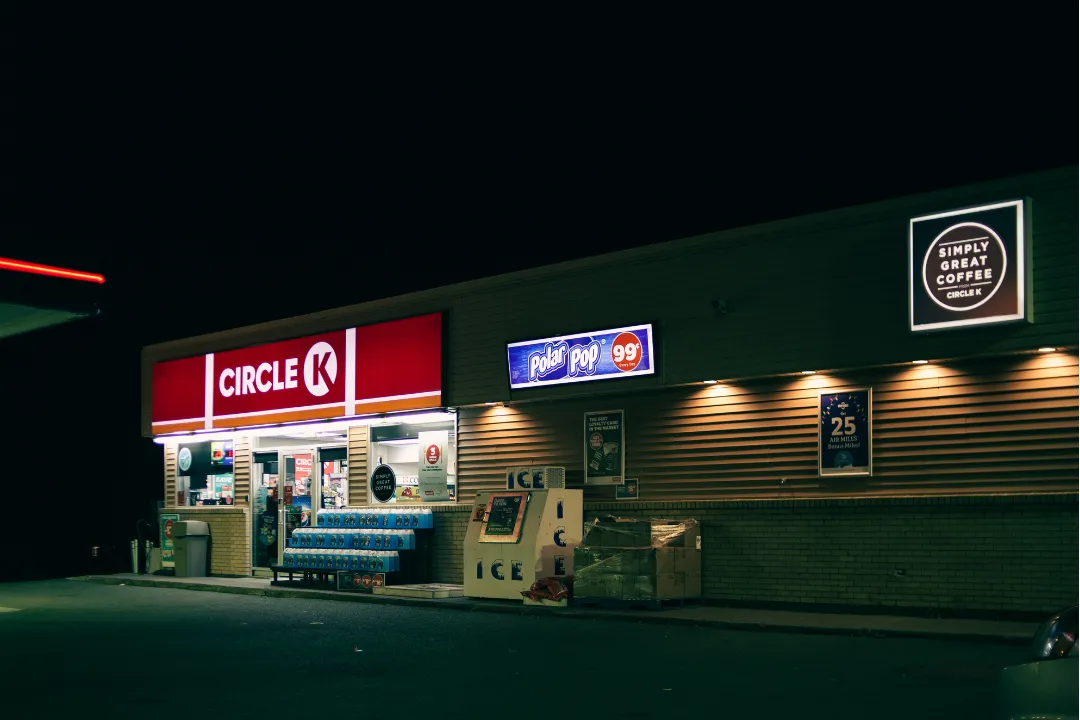
One of the quietest killers of impulse buying is the “walkout.” When customers leave to find cash, your business loses control of the next decision they make. They might stop at another store, buy from a competitor, get distracted, or decide it’s not worth coming back. In Iowa, where many small businesses depend on repeat local customers and quick stop-in purchases, keeping customers on-site matters. The moment you send them off-property, you increase the chances that the purchase never happens.

An ATM anchors spending inside your location. It’s not just a cash source—it’s a retention tool. A customer who withdraws cash at your business is still physically there, still in purchase mode, and more likely to add items at checkout. This is why ATM placement matters: put it somewhere visible and convenient—near the front area or along the natural walking path—so customers use it without needing to ask. When your ATM is easy, impulse purchases become easier too.

3) Cash Boosts Small Add-Ons: Snacks, Drinks, Tips, and “One More Item”

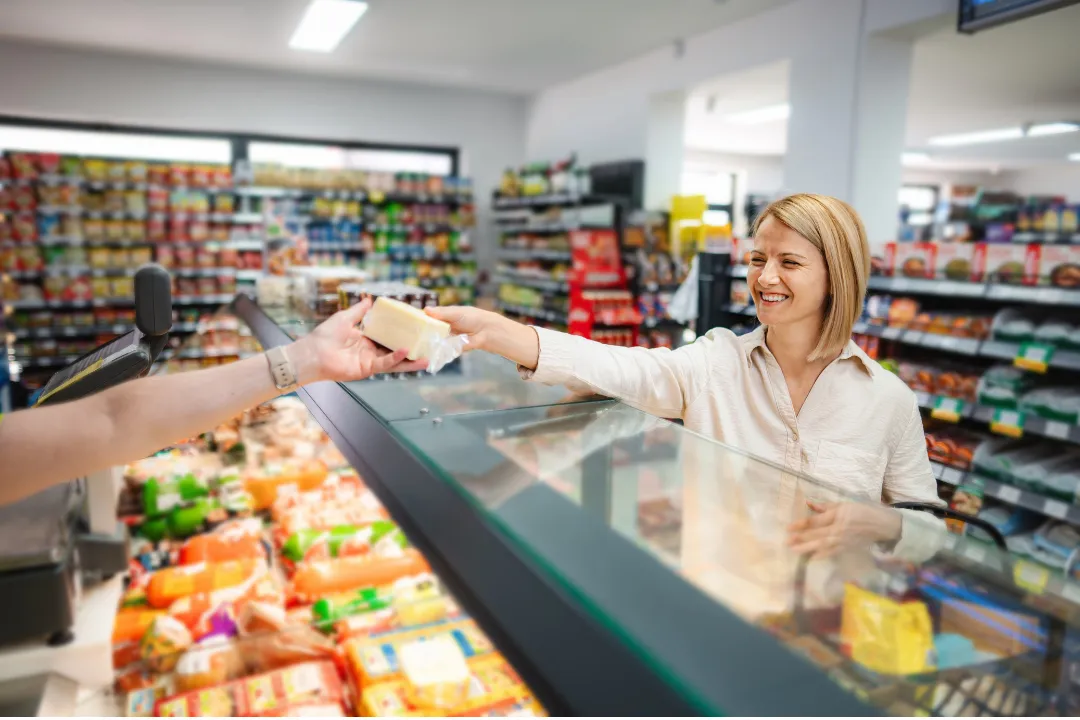
Impulse buying often lives in the small add-ons—the extra drink, the dessert, the snack, the quick accessory, the donation jar, the last-minute purchase at the counter. These are the items customers decide on emotionally in the moment. And cash makes those decisions feel simpler. In Iowa restaurants and bars, cash can increase tipping behavior because it’s straightforward and immediate. In convenience stores and gas stations, cash supports “grab-and-go” bundles—customers add a second item, upgrade a purchase, or buy something they didn’t plan because it feels effortless.

For event-driven businesses, this becomes even more noticeable. Vendor markets, community events, fairs, tournaments, and local festivals often create fast sales windows where customers don’t want to deal with card issues or slow payment systems. A nearby ATM helps customers get cash quickly and keep spending, which supports vendors and boosts the overall event experience. The ATM becomes part of the buying environment—quietly enabling more “yes” decisions.

4) The Psychology of Cash: People Spend Faster When They Control the Transaction

There’s a simple psychological truth: cash feels immediate and controlled. Customers can see what they’re spending, decide quickly, and complete the purchase without waiting for card approval screens, tap failures, or network delays. In busy Iowa small businesses—especially during peak hours—speed matters. When lines are long or staff are stretched, customers become impatient and reduce what they buy. Cash transactions can reduce delays and keep the checkout moving, which protects impulse buying opportunities.

An on-site ATM also reduces “payment hesitation.” Some customers dislike using cards for small purchases, want to stick to a cash budget, or prefer cash for tips and quick transactions. When you offer convenient cash access, these customers feel supported rather than constrained. The result is smoother decision-making and more consistent add-on sales—without changing your pricing, marketing, or inventory.

5) Turning Impulse Buying into Strategy: Placement Options and Support in Iowa

If you want an ATM to support impulse buying, it needs to be reliable and easy to access. That means choosing the right approach—buy, lease, event rental, or placement (if qualified)—and backing it with stable processing and service support. For steady year-round businesses, buying may offer long-term control and ROI. Leasing can reduce upfront commitment if you want flexibility. Event ATM rentals are ideal for Iowa events where spending happens quickly and cash demand spikes. Free placement can be an option, but it typically depends on qualification factors like foot traffic, hours, safety, and expected transaction activity—so it’s important to set expectations realistically.

The strategy is simple: put cash where buying decisions happen. Place the ATM where customers naturally pass, make it visible, and ensure it performs consistently. Then support it with the full service stack—processing, repairs, and 24/7 support availability—so “out of order” moments don’t break customer trust. When your ATM stays reliable, it becomes a repeat convenience tool that steadily supports sales growth.
Categories
Blogs

5 Ways an ATM Installation Becomes a Multi-Purpose Upgrade for Iowa Businesses

ATM Installation in Iowa: Why One Machine Can Solve More Than One Business Problem

For many Iowa businesses, an ATM isn’t just a cash machine—it’s a practical tool that improves customer flow, protects sales, and creates a steady revenue stream when placed correctly. Whether you operate a convenience store, gas station, bar, restaurant, hotel, venue, or service counter, cash access still affects buying decisions (tips, small purchases, entry fees, vendor booths, cash-preferred services, and quick stops). The “multi-purpose” part comes from how an ATM influences behavior: customers stay on-site, spend sooner, and return more confidently when cash is easy. And because Iowa has a strong mix of commerce in hubs like Des Moines, Cedar Rapids, Davenport, Sioux City, and Iowa City—plus steady regional traffic—an ATM can support both everyday operations and peak-demand moments when card lines slow down.

1) It Keeps Spending Inside Your Business Instead of Walking Out the Door

One of the most immediate benefits of ATM installation is simple: it reduces customer walkouts. When people need cash and you don’t have it available, they leave to find a bank or another ATM—and many don’t come back. That lost sale is hard to track because it happens quietly. In Iowa, this matters most in businesses where speed and convenience drive revenue: convenience stores, gas stations, bars, restaurants, and busy service counters. If a customer is short on cash for a quick purchase, a tip, or a small add-on item, an ATM turns “I’ll come back later” into “I’ll handle it now.”

This effect becomes even more valuable during peak windows—lunch rush, weekend evenings, or seasonal surges—when card terminals slow down or customers want to pay quickly. A visible, easy-to-use ATM near a natural walking path (not hidden in a corner) supports faster decision-making and smoother checkout flow. Over time, customers begin to associate your location with convenience, which can strengthen repeat visits—especially in Iowa markets where local reputation and word-of-mouth matter.

2) It Adds a Revenue Stream That Doesn’t Depend on More Staff or More Inventory

An ATM can create income primarily through surcharge fees and repeat usage. The key driver isn’t the machine itself—it’s the match between the ATM and the location’s transaction behavior. A high-traffic business with genuine cash demand will usually outperform a “busy” location where customers rarely need withdrawals. That’s why a smart Iowa install plan considers who your customers are and what they do: are they making quick purchases, tipping, paying entry fees, buying from vendors, or operating in a cash-friendly environment?

When you install an ATM with a realistic plan—reasonable surcharge strategy, clear signage, and stable processing—you’re building a revenue stream that can grow with foot traffic. This works especially well in Iowa locations that naturally generate repeat local visits: neighborhood convenience stores, busy intersections, dining strips, and entertainment clusters. The goal isn’t to “promise unlimited money.” The goal is predictable earnings based on usage—and usage comes from placement, demand, and reliability.

3) It Improves Customer Experience in Cash-Heavy Moments (Tips, Fees, Small Purchases)

Many businesses underestimate how often cash still solves friction. Tips, cover charges, cash-preferred services, small purchases, and vendor booths often move faster with cash. In bars and restaurants, customers tip more easily when they can withdraw quickly. At events and venues, guests can pay entry fees or buy from booths without hunting for cash. In convenience retail, customers can finish a purchase immediately instead of leaving mid-transaction.

That’s why an ATM becomes a customer-experience upgrade, not just a “finance tool.” In Iowa, where customers frequently travel between towns and rely on quick stops along major routes, on-site cash access makes your business feel more complete. The best part is that customer experience improvements often translate into measurable business outcomes: fewer abandoned purchases, fewer awkward “we don’t have cash back” moments, and more satisfied customers who stay longer and spend more comfortably.

4) It Gives You Flexibility: Buy, Lease, Rent for Events, or Qualify for Placement

ATM installation isn’t one-size-fits-all, and the “multi-purpose” benefit includes flexibility in how you deploy it. If you have steady year-round traffic and want long-term control, buying an ATM often makes sense. If you want a lower upfront commitment—or you’re still validating usage—leasing can be a practical path. If your demand comes in spikes (festivals, tournaments, vendor markets, fairs, fundraisers), event ATM rentals help you serve crowds without committing to permanent installation.

If you’re exploring free ATM placement, keep it realistic: placement typically depends on qualification factors such as foot traffic, operating hours, safety, placement space, and expected transaction activity. If a location doesn’t qualify, that’s not a failure—it simply means buying or leasing is the better fit because you control the timeline and outcome. The best Iowa install strategy pairs your business reality with the right option, then supports it with the complete service stack: processing, repairs/service, and ongoing support.

5) It Strengthens Reliability Through Processing and Service Support—So It Stays “Usable”

A multi-purpose ATM only stays multi-purpose if it remains reliable. An “out of order” sign doesn’t just stop withdrawals—it damages trust and pushes customers elsewhere. That’s why installation should include a plan for processing stability, troubleshooting steps, and service pathways to address common issues like connectivity interruptions, receipt printer failures, dispenser errors, and transaction declines.

In Iowa markets where convenience drives loyalty, reliability becomes part of your brand. When customers know your ATM works consistently, they’re more likely to treat your business as their default stop. The smartest operators treat the ATM as part of their operational system: place it visibly, keep processing stable, handle issues quickly, and choose a support approach that reduces downtime. That’s how an ATM becomes an ongoing advantage instead of a recurring headache.

Categories
Blogs

4 Smart Questions to Find the Best ATM Location in Iowa

How to Pick the Best ATM Location in Iowa: 4 Questions That Prevent Costly Mistakes

Choosing an ATM location isn’t about “finding any corner with space”—it’s about placing the machine where it will actually be used consistently. In Iowa, ATM demand changes by business type and customer behavior: some locations see steady cash withdrawals (convenience retail, bars, restaurants, venues), while others look busy but don’t generate the right kind of transactions. A good placement decision protects you from the most common failure: installing an ATM in a spot that feels logical to the owner but is invisible or inconvenient to customers. These four questions help Iowa business owners and operators evaluate traffic, buyer intent, visibility, and support needs—so your ATM becomes a reliable convenience tool, not an underused machine.

Question 1: Does This Iowa Location Have “Transaction Traffic,” Not Just People?

Foot traffic alone isn’t enough—what you want is transaction traffic. That means people who are already in a spending mindset and likely to need cash in the next few minutes. In Iowa, this often shows up in places where customers make quick purchases, pay tips, split payments, or buy small-ticket items repeatedly. A convenience store near commuter routes may outperform a larger retail space if the convenience store’s customers are constantly buying and leaving. Likewise, a bar or restaurant with steady evening crowds can generate consistent ATM usage because customers often need cash for tips, cover charges, or cash-preferred purchases.

To evaluate transaction traffic, look beyond how “busy” the location feels. Ask: Do customers typically come here to buy, or to browse? Do they need cash as part of the experience? Are they on a schedule (quick stop), or are they just passing time? For Iowa operators, the best ATM locations are usually the ones where customers frequently make immediate purchase decisions—especially during peak hours.

Question 2: What Kind of Cash Need Does Your Customer Base Have?

ATM usage increases when the location serves customers who regularly run into cash moments. In Iowa, those moments often happen in cash-friendly environments: small purchases at convenience stores, tip-heavy service businesses, local nightlife, events, and venues where quick spending is part of the experience. The key is matching the ATM to the customer’s reality. If your typical customer pays with card for everything and rarely needs cash, your ATM will struggle—even if the business is busy.

A simple way to gauge cash need is to review what customers already ask for. Do they ask, “Do you have an ATM?” Do they request cashback? Do they tip in cash? Do vendors nearby accept card reliably? If your business benefits from cash-driven spending (food booths, local markets, bar tabs, tipping, cover charges, small-ticket retail), the ATM becomes a convenience upgrade. If not, you may be better served positioning the ATM to capture nearby cash demand—like placing it where customers naturally pause before purchasing.

Question 3: Is Your ATM Easy to See, Easy to Use, and Easy to Reach?

Even a great location can fail if the ATM placement is hidden, inconvenient, or awkward to access. Visibility is one of the biggest drivers of usage. In Iowa businesses, the best-performing placement is usually where customers can spot the ATM within seconds of entering—without needing to ask staff. If customers have to walk through tight aisles, stand in a cramped corner, or feel like they’re blocking traffic, they’ll skip it and find another ATM later.

Think like a customer: Where would you look first? Placement near the entrance, near the front counter (without causing congestion), or along a natural walking path typically performs better than a back corner. Also consider practical details: lighting, privacy, and whether the ATM feels safe and comfortable to use. These factors directly impact repeat usage—because if someone has a bad experience once, they stop using the machine and tell others it’s inconvenient.

Question 4: What’s Nearby—Banks, Competitors, Events, and Customer Patterns?

ATM success depends on local context. If there’s a bank ATM next door, customers may default to that option—unless your ATM is more convenient, closer, or located where they already spend time. On the other hand, if your business is in an area where customers frequently need cash quickly (late-night areas, event corridors, local shopping strips), an on-site ATM can become the easiest solution even if alternatives exist.

In Iowa, customer patterns can shift by season and by neighborhood. A location that’s “average” during weekdays might become excellent on weekends, game days, market days, or during community events. That’s why it helps to map your peak moments: when do customers line up, when do tips happen, when do vendors sell the most, and when do card systems slow down? If your business benefits from spikes—sports weekends, festivals, fairs, vendor markets—an ATM can be a strategic placement tool that supports both customer experience and local demand.

Turn the Right Location Into a Real Plan: Buy, Lease, Rent, or Qualify for Placement

Once you’ve identified a strong Iowa location, the next step is choosing the right ATM path. If your traffic is stable year-round and you want long-term control, buying may make the most sense. If you want a lower upfront commitment or you’re still validating usage, leasing can be a practical option. If your demand comes in bursts—fairs, tournaments, festivals, vendor events—event ATM rental can cover peak needs without permanent installation.

If you’re exploring free ATM placement, keep it realistic: placement typically depends on qualification factors like consistent foot traffic, operating hours, safe placement space, and expected transaction activity. If a location doesn’t qualify, that doesn’t mean you can’t succeed—it means the better fit is often lease or purchase, where you control the timeline and outcome. The best Iowa ATM results come from pairing the right location with the right service stack: processing, support, repairs, and a plan that keeps the machine reliable.

Categories
Blogs

Iowa ATM Advantage: The Real Benefits of Owning an ATM in the Hawkeye State

The Iowa ATM Advantage: Why Owning an ATM Can Strengthen a Local Business

ATM ownership in Iowa is less about chasing a “passive income myth” and more about controlling a practical tool that solves a real customer problem: immediate cash access. In many local businesses—convenience stores, gas stations, bars, restaurants, event venues, and service counters—customers still need cash for tips, small purchases, cover charges, vendor booths, and cash-preferred services. When your business provides the ATM instead of sending people elsewhere, you reduce walkouts and keep spending on-site. Iowa’s economy is supported by major sectors like advanced manufacturing, bioscience, and finance/insurance, which helps drive steady commercial activity in both metro hubs and regional cities—exactly the kinds of environments where convenience can translate into repeat visits and higher daily sales.

1) More On-Site Spending: How an ATM Changes Customer Behavior

The clearest benefit of ATM ownership is how it influences what customers do next. When someone withdraws cash inside your business, they’re already in “ready to spend” mode—and they’re more likely to make an additional purchase rather than leaving to find a bank ATM elsewhere. That behavior matters in Iowa because many successful locations rely on fast, frequent transactions: convenience retail, food service, nightlife, and event-based sales. In practical terms, an ATM can reduce abandoned purchases, support impulse buying, and make the checkout experience feel easier—especially in busy time windows like lunch rush, weekend nights, or event surges.

This effect becomes even more valuable in Iowa’s major population centers and business corridors—places like Des Moines, Cedar Rapids, Davenport, Sioux City, and Iowa City—where customers compare convenience quickly. In these areas, your ATM isn’t just “another machine”; it’s a customer utility that can keep transactions in your store and prevent your competitors from capturing the spend after the withdrawal.

2) A New Revenue Stream: Understanding Surcharge Income and Volume

ATM ownership can generate revenue primarily through surcharge fees (the fee paid by the user per withdrawal). The real driver isn’t hype—it’s transaction volume. High-traffic locations usually do better because more customers are naturally passing through and using the machine. That’s why a smart ownership plan starts with basic location math: operating hours, customer type, peak days, and whether the business environment creates repeat cash demand (tips, small purchases, quick transactions, cover charges, or vendor booth spending).

This is also where Iowa-specific planning matters. Iowa has a strong mix of industries and workforces—advanced manufacturing, bioscience, and finance/insurance are key sectors statewide—creating consistent commercial movement and steady customer patterns. If your business sits near job centers, entertainment areas, travel-through routes, or university activity, the odds of stable usage improve. Ownership gives you control over surcharge strategy and machine placement—two levers that directly influence whether the ATM becomes a reliable earner or a rarely used corner unit.

3) Control and Flexibility: Why Ownership Beats “Waiting Around” for Solutions

One underrated benefit of owning an ATM is control—control over placement, uptime priorities, and decision-making speed. If your business depends on convenience, you don’t want to be stuck waiting on external timelines every time you need a change. Ownership generally gives you more say in where the machine sits, how it’s presented to customers, and how quickly you can move on upgrades or adjustments.

That control matters in Iowa markets where customer expectations are simple but unforgiving: if your ATM is frequently down, slow, or inconsistent, people stop trusting it and stop using it. Over time, a “not reliable” ATM can do more harm than good by creating repeated customer frustration. A solid ownership approach usually pairs the machine with a complete service stack—processing support, repair pathways, and clear maintenance steps—so uptime stays protected. In other words: ownership works best when it’s treated as an operational system, not a one-time purchase.

4) The Real ROI Picture: Buy vs Lease vs Event Rental in Iowa

ATM ownership isn’t the best option for every situation—and that’s where smart planning protects you. Buying often makes sense for stable, year-round locations where usage is predictable (busy convenience stores, strong retail corners, bars/restaurants with steady traffic, and service counters with consistent customers). Leasing can be a better route when you want lower upfront commitment or you’re still testing whether your location’s customer flow supports the volume you want. Event ATM rental fits Iowa’s seasonal and community-driven calendar: tournaments, festivals, vendor markets, fairs, and multi-day gatherings where cash demand spikes quickly.

If you’re building a statewide strategy for Iowa, the best practice is to match the option to the real scenario:

  • Buy for long-term control and strong year-round usage

  • Lease for flexibility and predictable monthly budgeting

  • Event rental for short-term demand surges

  • Placement programs (if qualified) when foot traffic and usage expectations are strong enough to support it

This is how you keep content honest and avoid overpromising “free.” The best Iowa results come from selecting the model that fits your business reality, not forcing one pathway for every location.

5) Support That Protects Earnings: Processing, Service, and Repairs Matter

An ATM only earns when it works. That’s why the “ownership advantage” isn’t complete without support systems that reduce downtime: reliable processing, basic monitoring habits, and a clear plan for repairs and service. Common issues—connectivity interruptions, receipt printer problems, dispenser errors, slow approvals—can quickly create lost transactions and repeated complaints at the counter. The faster you resolve those issues, the less revenue you lose and the more trust you keep.

This is also where Iowa-local support expectations come in. Businesses in Iowa often win on consistency and reputation—people return to locations that feel reliable. A dependable ATM reinforces that. Pairing ownership with a service stack (repairs, processing support, maintenance guidance, and fast response availability) helps protect both revenue and customer experience. The goal is not just “having an ATM,” but having one that feels consistently usable to customers—especially during peak hours when convenience matters most.

Categories
Blogs

Why Iowa Businesses Choose Puloon ATMs for Reliable Cash Access

Puloon ATMs in Iowa: A Practical Upgrade for Local Businesses That Need Reliable Cash Access

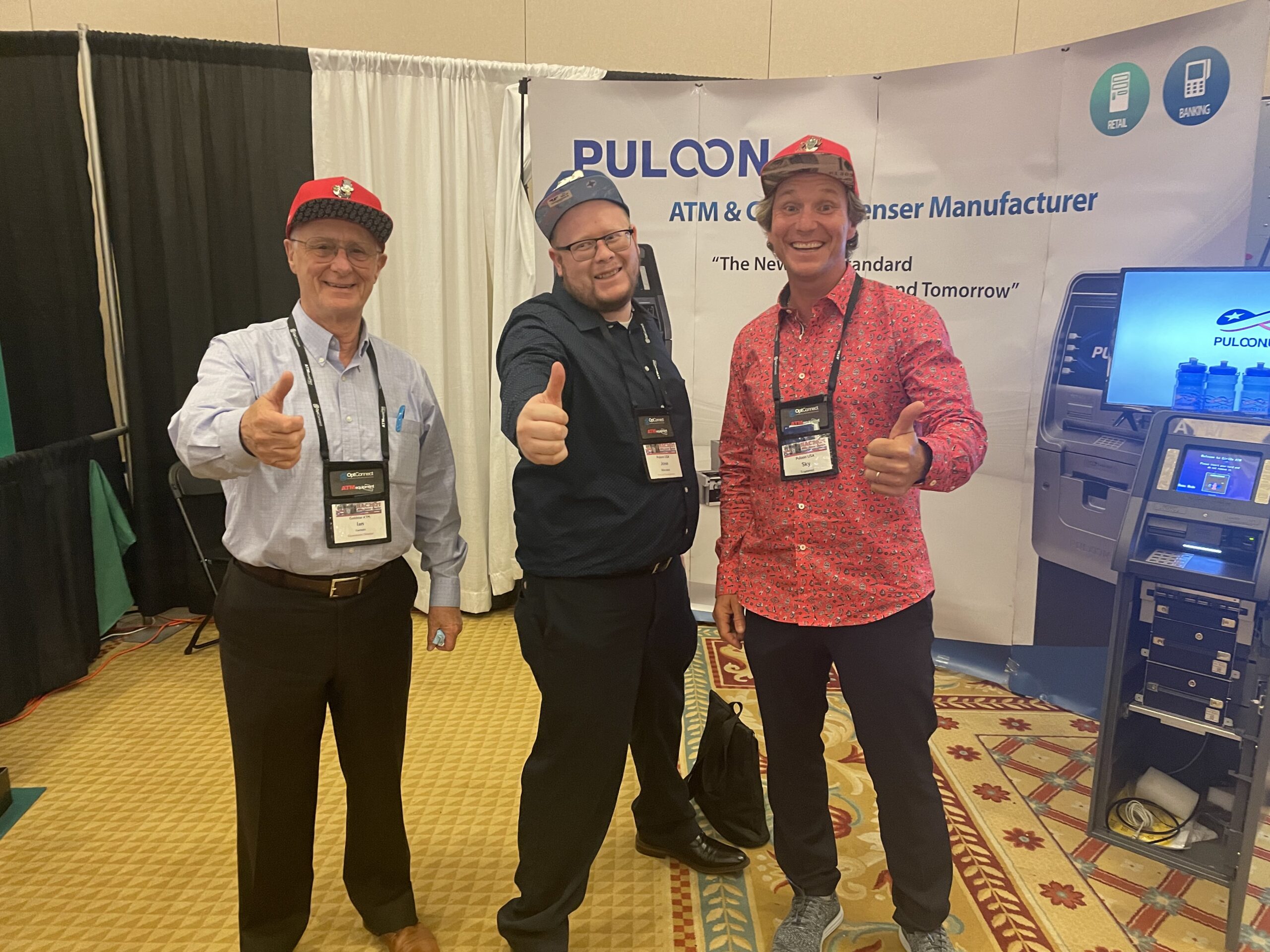
In Iowa, convenience and reliability drive repeat business—especially for stores, restaurants, bars, event venues, and service locations where customers still ask, “Do you have an ATM?” A dependable ATM setup can reduce walkouts, support impulse purchases, and keep spending inside your business instead of sending customers down the road to find cash. Puloon is widely known for cash-handling hardware and ATM solutions, and the reason many operators consider Puloon is straightforward: durable cash dispensing design, practical configurations, and a focus on reliable operation. (What matters most isn’t hype—it’s uptime, transaction consistency, and having a support plan for processing and service.)

Why Puloon Fits Iowa’s Real-World Business Mix

Iowa’s economy is built around industries that create steady commercial activity—advanced manufacturing, bioscience, and finance/insurance are major pillars statewide. That translates into consistent daily movement in retail corridors, food service, and “quick convenience” locations where cash access still matters. When you’re operating in high-traffic areas—whether near business districts, university zones, distribution corridors, or entertainment spots—an ATM can be a simple way to reduce payment friction and capture more on-site transactions.

Local demand isn’t one-size-fits-all, so the “right ATM” depends on how your customers behave. In Greater Des Moines, for example, economic activity clusters around insurance/financial services, advanced manufacturing, ag innovation, data centers, tech, and logistics—industries that support dense commercial nodes and recurring customer flow. Cedar Rapids highlights cluster strength in areas like advanced manufacturing, bioscience, food processing, and logistics/warehousing—again, environments where convenience retail and service businesses benefit from dependable cash access. If your customers frequently need cash for tips, small purchases, entry fees, or cash-preferred transactions, an ATM is often less about “extra equipment” and more about supporting a smoother customer journey.

What “A Good ATM” Really Means: Cash Handling, Uptime, and Consistent Processing

Most business owners don’t care about ATM specs until something goes wrong. But the components that matter—cash dispensing reliability, secure operation, and stable transaction processing—are what keep the machine earning. Puloon is known for cash-handling technology and banknote dispensing modules designed for practical deployment in ATM and kiosk-style environments. For a business owner, that translates to a simple outcome: fewer interruptions and more consistent customer usage when the ATM is properly configured and supported.

Just as important as the machine is the system around it: processing reliability, monitoring habits, and a clear plan for service and repairs. A strong ATM setup includes the right placement inside your location, a reasonable surcharge strategy based on local expectations, and a support workflow that prevents downtime from dragging on. In other words, “Puloon ATM success” in Iowa isn’t a single product claim—it’s the combination of dependable hardware plus the right service stack: buy/lease/rent options, processing support, repairs, and guidance based on your location’s traffic patterns.

Buy, Lease, or Rent in Iowa: Choosing the ATM Path That Matches Your Business

Different Iowa businesses need different ATM strategies. If you have consistent year-round traffic (typical for convenience stores, strong retail locations, busy restaurants/bars, and many service counters), buying an ATM can be a smart long-term route because it gives you control and removes ongoing lease payments. If you want flexibility or prefer a lower upfront commitment, leasing can be the better fit—especially if you’re still validating ATM usage at your location.

For short-term demand spikes, event rental is often the simplest option. Iowa events, seasonal festivals, tournaments, and vendor markets can produce quick bursts of cash demand—especially when guests are paying entry fees, tipping, or buying small-ticket items from vendors. Event ATM rentals help keep transactions moving without requiring permanent installation. The right choice comes down to usage predictability and operational preference—not marketing buzzwords.

“Free ATM Placement” in Iowa: What It Usually Requires (and Why It’s Not for Every Location)

Free ATM placement can be a great option—when a location genuinely qualifies. The key is to position “free” correctly: it’s typically based on factors like consistent foot traffic, operating hours, site safety, indoor placement suitability, and expected transaction activity. If a business doesn’t meet baseline usage potential, placement may not be approved, and a buy/lease route becomes the more dependable path. That’s not a drawback—it’s how placement programs stay sustainable and why qualified locations get better outcomes.

If you’re pursuing placement in Iowa, the best approach is to be prepared with practical details: your business type, hours, average daily customers, nearby competition, and where the ATM would sit inside the store. When expectations are clear—what’s included, what’s conditional, and what’s excluded—placement becomes a realistic business arrangement instead of a vague promise.

Making Puloon Work Long-Term: Service, Repairs, and Support That Protect Earnings

Even a good ATM will eventually need maintenance—receipt issues, connectivity interruptions, cash-dispense errors, and wear on components happen over time. The difference between an ATM that “helps the business” and an ATM that becomes a headache is the service workflow. That’s why Iowa operators should focus on a complete support plan: responsive troubleshooting, clear repair steps, and processing guidance that reduces avoidable declines.

Puloon’s broader positioning in ATM solutions is often discussed in terms of business ROI and operational reliability, but real-world success still depends on what you do after installation: monitor performance, address issues fast, and maintain a customer-friendly experience. An ATM that stays “available and reliable” builds trust—customers remember that your location is convenient, and that convenience can translate into repeat purchases and longer visits.